How a simple note scrawled on glass transformed ordinary commutes into moments of unexpected connection
In an era dominated by digital billboards and scrolling feeds, something remarkably analog is happening on our highways. Drivers are rediscovering an ancient art form—handwriting—and transforming their vehicles into mobile message boards that spark conversations, challenge assumptions, and remind us that meaningful communication doesn’t require WiFi.
The Message That Makes You Think
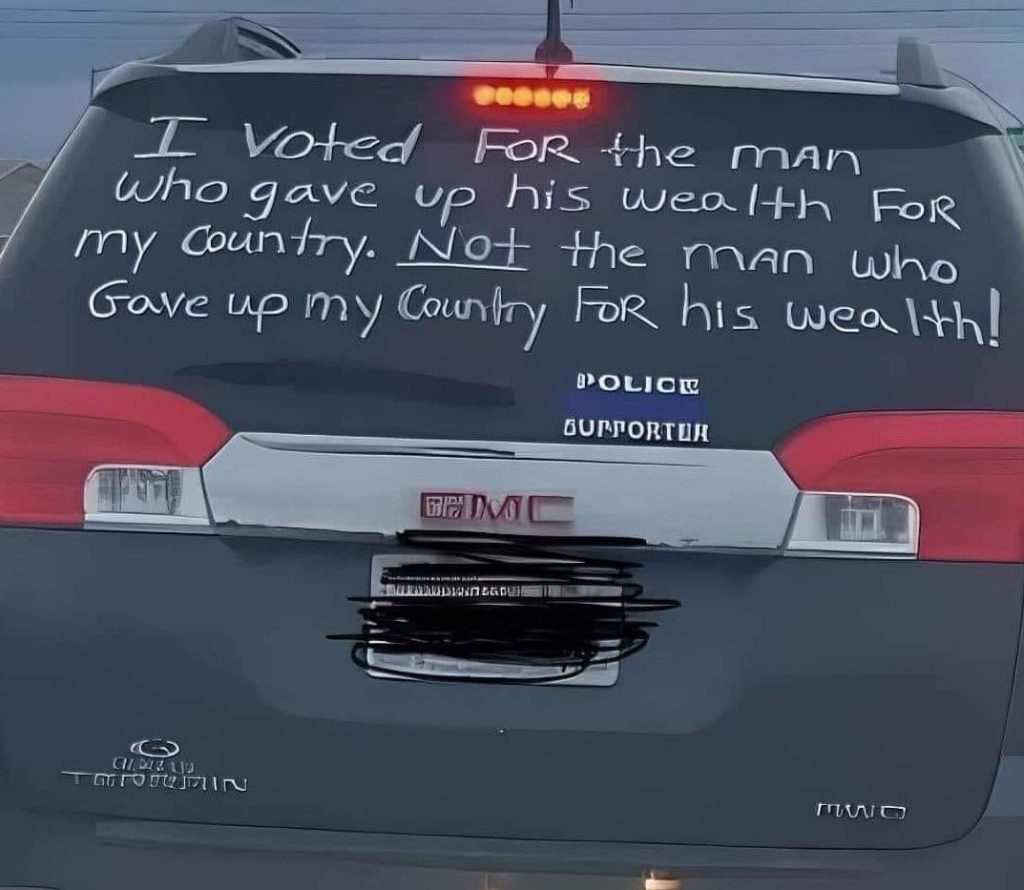
Picture this: you’re stuck in rush-hour traffic, mindlessly following the taillights ahead, when suddenly a handwritten note on a rear window catches your eye. No flashy graphics. No corporate logo. Just words, deliberately chosen and personally penned, inviting you to pause—not your accelerator, but your thoughts.
This isn’t a new advertising gimmick or viral marketing campaign. It’s individuals reclaiming public space for personal expression, one car window at a time. From philosophical musings to political statements, from birthday celebrations to acts of quiet protest, these mobile messages represent a growing counter-movement to our increasingly curated digital existence.
Why Handwritten Beats High-Tech
Research into communication psychology reveals why these simple messages carry such weight. According to studies on authentic self-expression, handwritten content triggers different cognitive responses than printed or digital text. The visible imperfections—the slight irregularities in letter formation, the personal choice of words—signal genuine human effort rather than mass-produced messaging.
Marketing experts have noticed this shift too. Handwritten content stands out precisely because it looks different from everything else competing for our attention. In feeds saturated with polished graphics and professional photography, the raw authenticity of hand-scrawled words creates what researchers call a “pattern interrupt”—our brains literally stop to process something unexpected.
From Celebration to Activism
The tradition of writing on car windows stretches back decades, typically reserved for celebratory occasions: “Just Married” declarations, graduation congratulations, or sports team pride. But today’s window writers are expanding the canvas.
Social media platforms overflow with examples: TikTok users documenting their window messages for birthdays, bachelorette parties, and even fundraising experiments. Some drivers use their rear windows to share inspirational quotes during their daily commutes. Others transform their vehicles into rolling billboards for causes they champion—environmental activism, social justice movements, or simple reminders to practice kindness.
What unites these diverse expressions is their deliberate rejection of perfection. Unlike bumper stickers, which anyone can purchase, a handwritten message requires personal investment. Someone took time to think, to write, to share something they deemed important enough to display publicly.
The Psychology of Public Expression
Why do people feel compelled to turn their cars into communication platforms? Research on vehicle personalization offers intriguing insights. A Colorado State University study found that drivers who personalize their vehicles—through bumper stickers, decals, or window writings—view their cars as extensions of personal territory and identity.
But there’s more at play than simple territoriality. Studies on authentic self-expression demonstrate that sharing genuine thoughts publicly, even to strangers, contributes to psychological well-being. When individuals express their true values and beliefs without filtering for approval, they experience greater life satisfaction and improved mood.
The car window becomes a safe space for this authenticity. You’re sharing with strangers you’ll likely never see again, removing the social pressure of face-to-face judgment while maintaining the satisfaction of being heard.
The Antidote to Digital Fatigue
In our hyperconnected world, we’re paradoxically more isolated than ever. Social media promises connection but often delivers curated performances where authenticity takes a backseat to engagement metrics. Against this backdrop, a handwritten car message feels radically honest.
There’s no algorithm determining who sees it. No likes to collect. No comments to manage. Just a thought, offered freely to whoever happens to be driving behind you. This stripped-down form of communication resonates because it asks nothing in return—no subscription, no follow, no notification.
Experts studying communication trends suggest that handwritten content represents a broader cultural hunger for genuine human connection. When everything from our shopping recommendations to our news feeds is algorithmically personalized, encountering raw, unfiltered human expression becomes increasingly rare and valuable.
Making Space for Reflection
What makes these mobile messages particularly powerful is their context. We encounter them during transitional moments—literally in transit between destinations, often during the mental downtime of commuting. This creates unique psychological conditions for message reception.
Unlike advertisements designed to provoke immediate action, car window messages invite contemplation. You might read a thought-provoking phrase, carry it with you through your day, and find yourself pondering its meaning hours later. The message becomes a gift—unexpected, unforced, and entirely voluntary in its reception.
The Future of Analog Expression
As digital communication continues its relentless advance, these handwritten messages represent something important: proof that people still crave authentic, human-scaled interaction. We want to be seen, to be heard, to connect—but on our own terms, in our own words, without corporate mediation.
The trend also highlights how everyday objects and spaces can become platforms for expression when people reclaim them creatively. Your car isn’t just transportation; it’s a blank canvas. Your commute isn’t just transit time; it’s an opportunity for encounter and exchange.
For those who’ve never considered their rear window as communication real estate, these messages offer an invitation. What would you want to say if you knew thousands of strangers would read it? What truth, what question, what simple human sentiment deserves to be shared?
The Lasting Impact
Long after that traffic jam clears and you’ve forgotten the exact wording, something remains—a reminder that meaning can emerge anywhere, that connection doesn’t require complexity, and that sometimes the most powerful messages are the simplest ones, honestly expressed.
In transforming their vehicles into moving billboards for personal truth, these drivers are doing more than decorating glass. They’re creating moments of unexpected humanity in spaces we’ve relegated to routine and monotony. They’re proving that in a world of constant digital noise, sometimes the quietest gesture—words written by hand, shared without expectation—can resonate the loudest.
The next time you’re stuck in traffic, look around. You might just find that the most interesting content isn’t on your phone—it’s written right there on the car ahead, inviting you to slow your thinking and consider what really matters.
Whether through chalk markers at graduations or philosophical musings during rush hour, the simple act of writing on car windows reminds us that public spaces belong to all of us, and authentic expression doesn’t need a platform—just the courage to share what’s on your mind.