If you’ve ever cooked chicken and noticed a white, gooey substance seeping out, you’re not alone. This common occurrence can be puzzling, but understanding its nature can ease concerns and improve your cooking techniques.
What Is the White Substance?
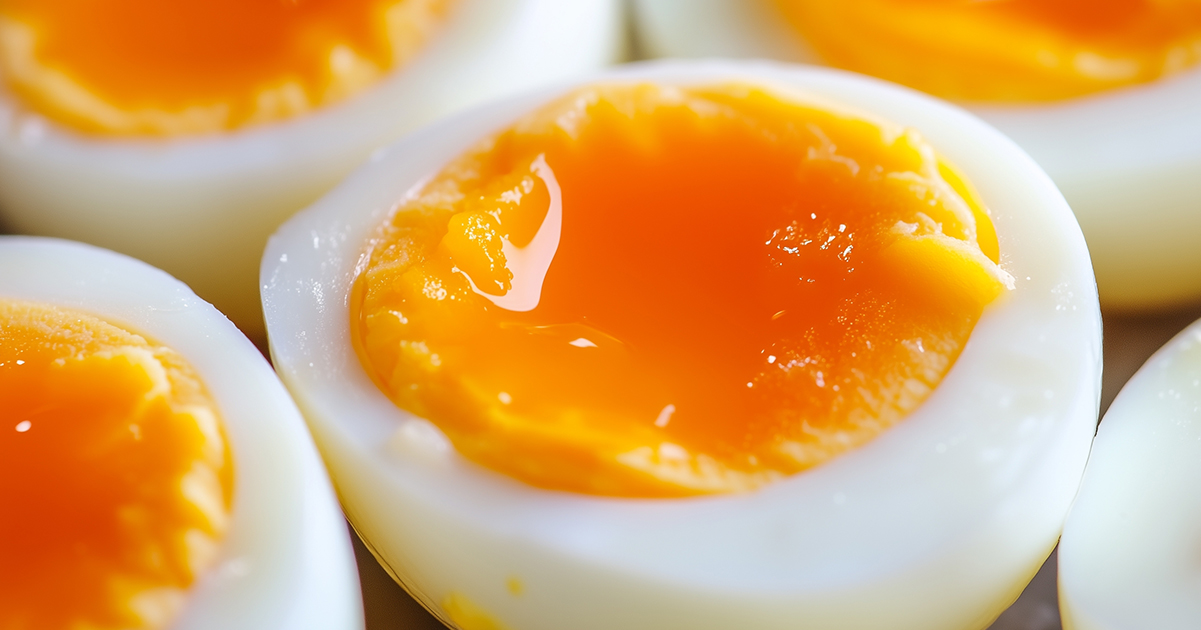
The white goo that appears during cooking is primarily a mixture of water and proteins, notably albumin. As chicken cooks, the heat causes muscle fibers to contract, expelling moisture. The proteins in this moisture coagulate upon heating, forming the white residue you see. This process is similar to how egg whites solidify when cooked.
Why Does It Occur?
Several factors contribute to the presence of this white substance:
High Cooking Temperatures: Cooking chicken at high temperatures can cause rapid contraction of muscle fibers, leading to more moisture and protein being expelled.
Freezing and Thawing: Chicken that has been frozen and thawed multiple times may have damaged muscle cells, resulting in more liquid being released during cooking.
Cooking Methods: Dry-heat methods like baking or roasting without added moisture can exacerbate the appearance of the white goo.
Is It Safe to Eat?
Yes, the white substance is safe to consume. It’s simply denatured protein and water, and while it may be unappealing visually, it doesn’t pose any health risks. However, if your chicken exhibits unusual colors or odors, it’s best to err on the side of caution and not consume it.
How to Minimize Its Appearance
If you’d prefer to reduce the presence of the white goo, consider the following tips:
Cook at Lower Temperatures: Using moderate heat can lessen the rapid contraction of muscle fibers, reducing moisture loss.
Proper Thawing: Thaw frozen chicken slowly in the refrigerator to minimize cell damage.
Use Moist Cooking Methods: Incorporate methods like braising or adding sauces to maintain moisture and reduce protein coagulation on the surface.
Understanding the science behind this common cooking phenomenon can help you make informed decisions in the kitchen. While the white goo may be off-putting, it’s a natural result of cooking and doesn’t indicate any problem with your chicken.