While the ring finger gets all the glory in romantic lore, the thumb stands apart—literally and symbolically. Separated from the other digits, the thumb is the powerhouse of the hand, responsible for our grip, our tool usage, and, as it turns out, a distinct form of non-verbal communication.
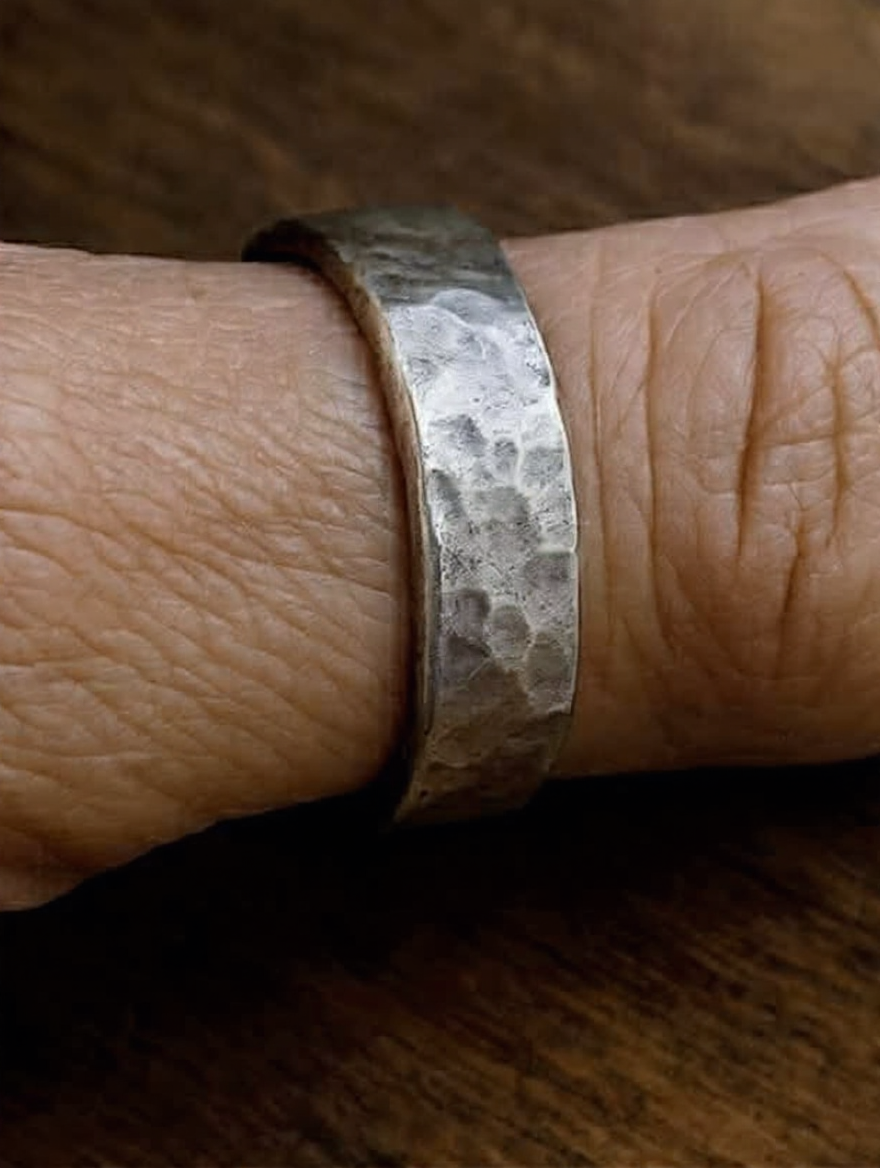
Wearing a ring on the thumb is rarely an accident. It is a deliberate stylistic choice that has evolved from a functional necessity on the battlefield to a subtle signal of identity in the modern coffee shop. Whether worn by a 16th-century Ottoman archer or a 21st-century graphic designer, the thumb ring carries a message of independence, power, and often, rebellion.
The Warrior’s Edge: A History of Function
Long before it was a fashion statement, the thumb ring was a survival tool. Historical analysis shows that the practice originated in practical necessity, specifically within the martial art of archery.
According to research on Eastern archery traditions, particularly in the Ottoman Empire and ancient China, thumb rings (known as zihgir in Turkish) were essential equipment. Unlike the Western three-finger draw, Eastern archers used a “thumb draw” to pull heavy bowstrings. A thick ring made of jade, bone, or leather protected the thumb’s pad from being sliced open by the tension.
Over time, this functional gear morphed into a status symbol. As noted by the Metropolitan Museum of Art’s collections, Ottoman sultans and Qing dynasty officials wore ornate, gemstone-encrusted thumb rings not for battle, but to signal their elite warrior status and readiness to command. The thumb ring didn’t just say “I am rich”; it said, “I am dangerous.”
The “Anti-Ring”: Women, Independence, and Identity
In contemporary culture, the thumb ring has taken on a fascinating role for women: it is often viewed as the psychological opposite of the engagement ring.
While the ring finger is traditionally reserved for relationship status—marking a woman as “taken”—the thumb is a digit of autonomy. Wearing a ring here can symbolize freedom and a refusal to adhere to traditional jewelry etiquette.
The Queer Signal
This drive for autonomy intersects heavily with LGBTQ+ culture. For decades, thumb rings have served as a subtle “flag” within the lesbian and queer female community. Cultural observers and reports from outlets like Vice suggest that thumb rings serve as a way to signal identity to those “in the know” without needing to say a word.
In specific regions, this code is even more precise. For example, research into Brazilian lesbian culture highlights the specific use of “coconut rings” (tucum rings) on the thumb as a marker of anti-establishment values and queer solidarity. It’s a quiet nod to a community that prioritizes personal freedom over traditional heteronormative expectations.
Men and the New Power Play
For men, the thumb ring has shed its ancient military skin but retained the aura of power. In the world of modern men’s fashion, a thumb ring is a “statement piece” that separates the conventional from the creative.
Unlike the wedding band, which implies duty, or the pinky ring, which often implies mafia-style allegiance or old-money family crests, the thumb ring implies distinct individuality. It is frequently adopted by men in creative industries—artists, musicians, and designers—who use it to signal that they exist outside the corporate status quo. It suggests a personality that is confident enough to wear jewelry on the thickest, most prominent finger, drawing attention to their hands and, by extension, their actions.
Palmistry and Psychology: The Willpower Digit
Beyond culture and history, there is a psychological dimension to this placement. In the practice of palmistry (chiromancy), the thumb is ruled by Mars (or linked to Venus in some traditions) and is universally associated with willpower and logic.
The Right Thumb: often linked to assertiveness and active logic. A ring here is thought to amplify one’s ability to exert their will upon the world.
The Left Thumb: associated with inner beliefs and subconscious trust.
Psychologically, people who choose to accessorize this digit may subconsciously value their independence above all else. They are often perceived as “doers”—people who rely on their own grip on reality rather than social support systems.
Conclusion: The Finger of Freedom
The thumb ring has traveled a long trajectory. It began as a piece of armor for the thumb-drawing archer, transformed into a badge of imperial authority, and eventually found its way onto the hands of modern rebels, queer women, and creative men.
Regardless of the specific reason for wearing one—be it sexual identity, artistic expression, or simple aesthetics—the underlying current remains the same: the thumb ring is a declaration of self-governance. It is a circle worn not to bind oneself to another, but to celebrate the strength of standing alone.