When Sarah was diagnosed with endometriosis at age 22, the words felt like a death sentence. Her gynecologist, Dr. Patterson, sat her down with a grim expression and said: “Sarah, I won’t sugar-coat this. The severity of your condition—with the extensive scarring and inflammation—makes pregnancy extremely unlikely without aggressive intervention. Even then, success rates are below 10%.”
Sarah’s dreams of motherhood felt like they were slipping away before her life had even truly begun. She spent three years trying various treatments—hormone therapies, laparoscopic surgeries, special diets. Nothing worked. She watched her friends get pregnant, attend baby showers, and felt increasingly isolated. She even considered adoption, though the process felt like accepting defeat.
At 28, Sarah decided to try one final IVF cycle with an experimental approach: a new pre-implantation genetic screening combined with a specialized uterine preparation protocol. She was told her chances were still only 15%. She went into the procedure expecting nothing, preparing herself emotionally for another disappointment.
But something changed. The embryo took. The pregnancy progressed. At 9 months, doctors induced labor out of caution. And then, on a rainy Thursday in April, her daughter Emma entered the world. Sarah held her baby and couldn’t stop crying—tears of disbelief, gratitude, and triumph.
Now Sarah speaks to other women with endometriosis, telling them that their diagnosis is not their destiny. She volunteers with a fertility advocacy group and has helped dozens of women access the experimental treatments that saved her dream.
Related Posts
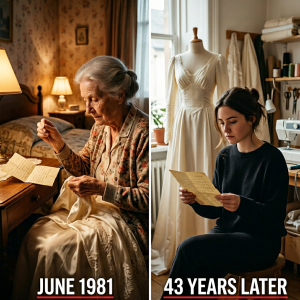
The Hidden Seam
The dress had been folded in lavender tissue paper for forty-three years. My grandmother, Nora, had worn it the morning she married the man everyone in our…
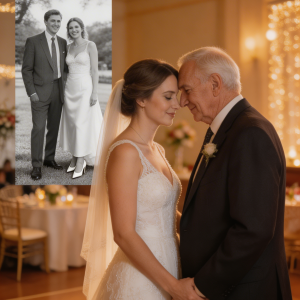
I Found My Mother’s Wedding Shoes in a Box She Told Me Was Empty — What Was Inside Them Changed Everything
The morning of my wedding, I didn’t plan on crying before I even put on my dress. I was searching through the storage closet at my parents’…
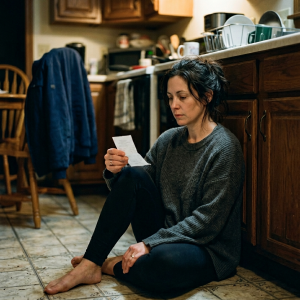
She Raised Five Kids Alone While He Spent Their Savings on Someone Else — Then the Universe Settled the Score
The night everything unraveled, Nina was elbow-deep in dish soap and humming a lullaby she didn’t even realize she still knew. Five kids. One mortgage. One man…

From Tabloids to Tranquility: Marla Maples Builds a Life on Her Own Terms
Once one of the most photographed women in America due to her headline-grabbing romance with Donald Trump, Marla Maples has long since traded tabloid drama for a…
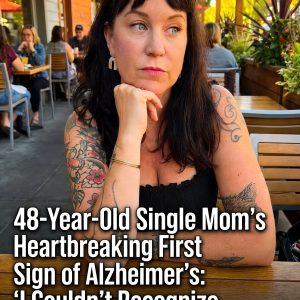
When Memory Fades Too Soon: A Single Mother’s Battle With Early-Onset Alzheimer’s at 48
Rebecca Luna was at her desk on what seemed like a perfectly ordinary morning when she suddenly drew a complete blank — she could not remember how…

Four U.S. Soldiers Killed in Kuwait Drone Strike During Operation Epic Fury
A devastating Iranian drone attack at the Port of Shuaiba, Kuwait, claimed the lives of six American service members, four of whom have now been publicly identified….