A disturbing case of modern slavery has emerged from Gloucestershire, England, where a woman faces sentencing after forcing a teenager into domestic servitude that lasted more than two decades. The conviction exposes the hidden reality of labor exploitation happening behind closed doors in seemingly ordinary British neighborhoods.
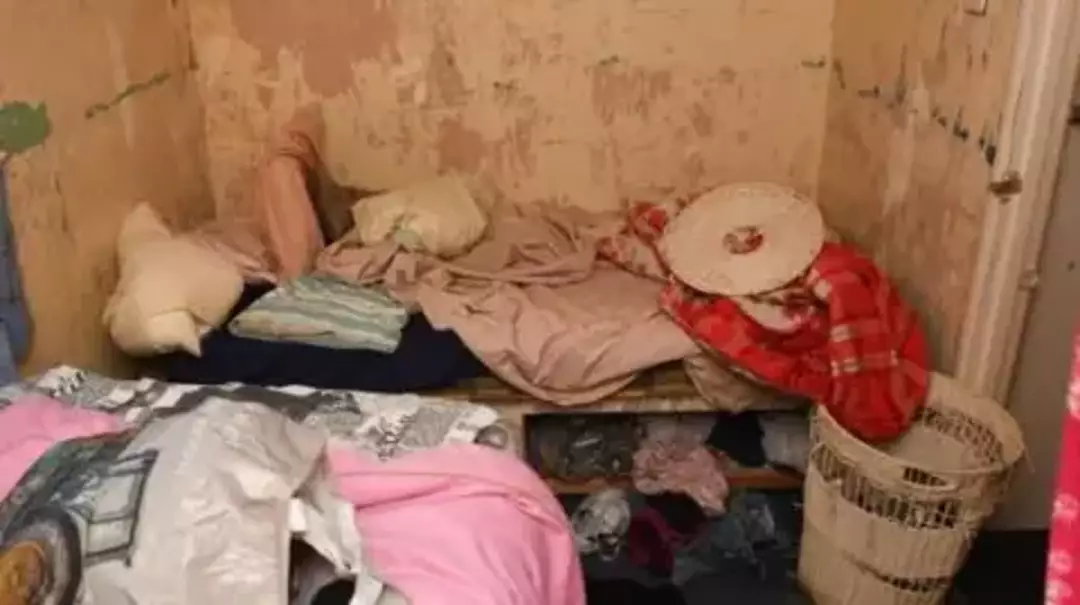
The Decades-Long Ordeal
Amanda Wixon, 56, was found guilty at Gloucester Crown Court of subjecting a vulnerable young woman to systematic abuse and forced labor spanning 25 years. The victim, who entered Wixon’s Tewkesbury home as a 16-year-old in 1995, remained trapped in conditions prosecutors described as akin to imprisonment until 2021.
According to evidence presented during the trial, the victim endured regular physical violence, including beatings with household objects such as brooms. Prosecutor Sam Jones detailed how she was “kept in and prevented from leaving the address” while being “assaulted and hit many, many times and forced to work with the threats of violence.”
The abuse extended beyond physical violence to include degrading treatment: washing-up liquid allegedly forced down her throat, bleach splashed on her face, and her head forcibly shaved. Investigators found her living quarters resembled a “prison cell,” with severe restrictions on food and personal hygiene.
A Life Erased from Public Record
Perhaps most chilling is how completely the victim disappeared from official documentation. Prosecutors noted she had no medical records during her captivity—an absence that speaks to her total isolation from society. Jones emphasized this point to the jury: “By the late 1990s it appears the woman disappeared into a black hole. Not a single meeting that left a record or a single sighting of her outside the house.”
This lack of contact with doctors, dentists, or social services for two decades enabled the abuse to continue undetected despite occurring in a household with ten children—a situation that raises troubling questions about how modern slavery can persist even in populated family homes.

The victim’s physical condition upon liberation reflected years of neglect. She had lost most of her teeth due to poor hygiene and told police she hadn’t washed “for years” because Wixon “doesn’t let me.” Her statement to officers was heartbreaking in its simplicity: “I don’t want to be here. I don’t feel safe. Mandy hits me all the time. I don’t like it.”
The Breaking Point: A Son’s Intervention
The case only came to light when one of Wixon’s own sons reported the situation to authorities. This internal exposure highlights a crucial aspect of domestic servitude cases: victims are often so isolated and psychologically controlled that outside intervention becomes essential for liberation.
Research from anti-trafficking organizations consistently shows that modern slavery victims rarely self-report due to fear, trauma bonding, lack of awareness about their rights, or complete social isolation. The fact that exposure came from within the household rather than from the victim herself aligns with patterns documented in similar cases across the UK.
Legal Outcome and Community Response
Wixon faced multiple charges including false imprisonment, requiring a person to perform forced or compulsory labor, and assault occasioning actual bodily harm. She denied all allegations but was convicted on all counts except one assault charge.
The defendant has been released on conditional bail pending sentencing scheduled for March 12, a decision that has sparked strong reactions in the local community. A former neighbor expressed the anger many feel about the case, stating Wixon “deserved” imprisonment and could “rot in hell.”
The Broader Context of Modern Slavery in Britain
This conviction occurs against a backdrop of growing awareness about modern slavery in the United Kingdom. According to data from the National Crime Agency, thousands of potential victims are identified annually across the UK, with domestic servitude representing a significant category of exploitation.
What makes cases like Wixon’s particularly insidious is their occurrence in residential settings where victims live alongside families, making detection extraordinarily difficult. Unlike trafficking for sexual exploitation or labor exploitation in commercial settings, domestic servitude victims are hidden within private homes where neighbors, postal workers, and even delivery personnel may never realize someone is being held against their will.
The duration of this case—25 years—represents one of the longest documented instances of domestic servitude in recent British legal history. It underscores systemic failures in safeguarding vulnerable individuals and raises questions about what additional measures might prevent such prolonged abuse.
Implications and Unanswered Questions
Several disturbing questions emerge from this case: How did a household with ten children avoid any official scrutiny that might have revealed the victim’s presence? What mechanisms failed to detect a person completely absent from medical, dental, and social service records for a quarter-century? And what psychological tactics enabled Wixon to maintain such absolute control over another human being for so long?
Experts in trauma and coercive control note that perpetrators of domestic servitude often employ sophisticated manipulation techniques. These may include isolation from support networks, destruction of identity documents, psychological degradation, threats of violence, and creating dependency through controlling access to basic needs like food and hygiene.
The victim in this case will likely face a long recovery process. Survivors of prolonged captivity and abuse often struggle with complex post-traumatic stress disorder, difficulty trusting others, challenges with independent living, and physical health issues resulting from years of neglect.
Awaiting Justice
As the March sentencing date approaches, this case serves as a sobering reminder that modern slavery is not relegated to history or distant countries—it exists in contemporary Britain, sometimes for decades, behind the facades of ordinary homes.
The conviction represents a measure of justice for a woman who lost her youth and most of her adult life to exploitation. Yet it also highlights the urgent need for enhanced awareness, improved safeguarding mechanisms, and greater vigilance in identifying victims who lack the ability or opportunity to seek help themselves.
For the survivor, March 12 may bring a sense of closure, but her true journey toward healing and reclaiming her autonomy has only just begun.
Related Posts

He Kept a Money Jar for Six Days. Then He Told Me Who Took His Sister
The first thing I noticed was the coins. Nickels, mostly. A few crumpled ones. My son Theo had started hiding a mason jar under his bed, and…
The Signal at Gate 14
Officer Renata Ford had worked airport security for six years, long enough to develop an instinct for the wrongness that doesn’t show up on any scanner. It…

She Stopped Wearing Makeup. Hollywood Started Paying Attention Again
She Stopped Wearing Makeup. Hollywood Started Paying Attention Again. Pamela Anderson walked into Paris Fashion Week in September 2023 wearing nothing on her face. No foundation, no…

A toddler was thrown off a bridge into the bay during a 5-car crash.
A toddler was thrown off a bridge into the bay during a 5-car crash. A stranger jumped 30 feet after her. It happened May 2, 2021 on…

When My Widowed Father Kept Taking Women to the Same Restaurant, I Thought I Understood Grief. I Didn’t.
My mother died two years ago. My father, Daniel, was sixty-one, and for the first year he barely left the house except for groceries and the occasional…

After four long years of home visits, interviews, and endless waiting, our son finally arrived. Ethan was seven, small for his age, with serious brown eyes.
After four long years of home visits, interviews, and endless waiting, our son finally arrived. Ethan was seven, small for his age, with serious brown eyes. It…