The 44th Academy Awards, held on April 10, 1972, at the Dorothy Chandler Pavilion in Los Angeles, stand as a luminous beacon in Hollywood history. Far from the polished spectacles of today, this ceremony was a heartfelt celebration of cinema’s golden age, marked by genuine emotion, groundbreaking films, and moments that would etch themselves into the annals of entertainment lore.

A Cinematic Milestone
The evening’s top honor, Best Picture, was awarded to The French Connection, a gritty crime thriller that redefined the genre. Director William Friedkin’s unflinching portrayal of urban crime, combined with Gene Hackman’s riveting performance as Detective Jimmy “Popeye” Doyle, earned the film five Oscars, including Best Director and Best Actor. Hackman’s portrayal brought a raw authenticity that resonated with audiences and critics alike.
Stanley Kubrick’s A Clockwork Orange also garnered significant attention, its dystopian narrative pushing the boundaries of storytelling and cinematic technique. Meanwhile, Fiddler on the Roof charmed viewers with its musical richness, and The Last Picture Show, Peter Bogdanovich’s poignant black-and-white homage to small-town life, secured Oscars for Cloris Leachman and Ben Johnson in supporting roles.
A Night of Glamour and Grace
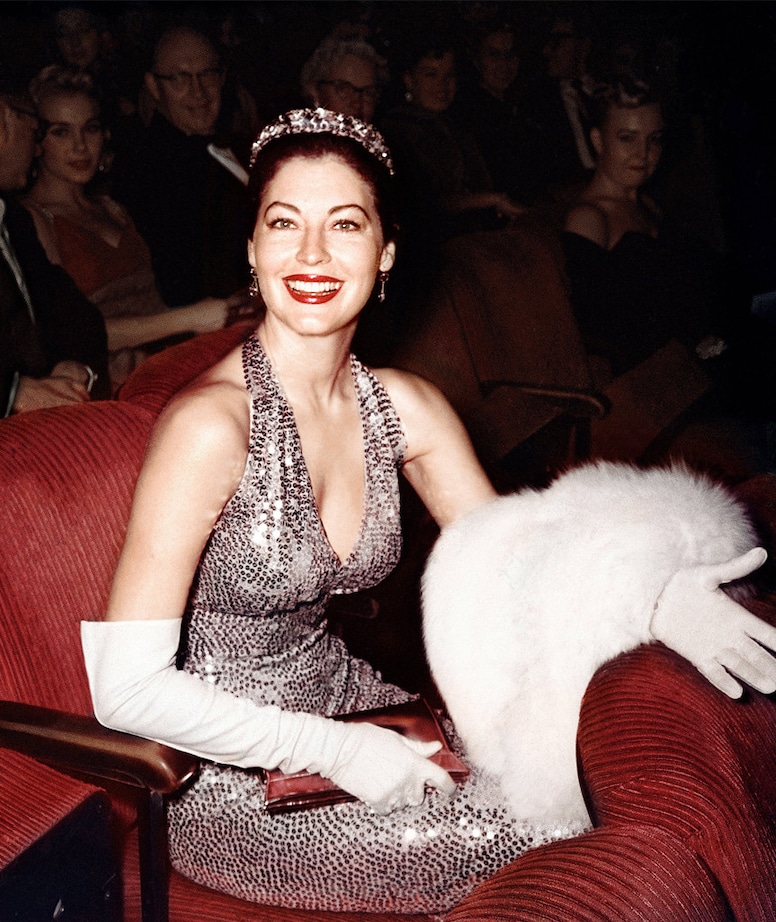
Departing from the flamboyant fashion trends of the late ’60s, the 1972 Oscars embraced a return to classic Hollywood elegance. Stars graced the red carpet in flowing chiffons, brocades, and timeless accessories, exuding sophistication and poise. Notably, Jane Fonda made a bold statement with her chic pantsuit, blending modernity with tradition.
Chaplin’s Triumphant Return
One of the evening’s most emotional moments was the return of Charlie Chaplin to the United States after two decades in exile. Honored with an honorary Oscar for his unparalleled contributions to cinema, Chaplin received a 12-minute standing ovation—the longest in Academy history. The audience’s heartfelt applause served as a poignant acknowledgment of his enduring legacy and the profound impact of his work on the art of filmmaking.
A Legacy That Endures
Reflecting on the 1972 Oscars, it’s evident that the ceremony encapsulated a transformative period in Hollywood. The blend of groundbreaking films, heartfelt tributes, and a return to classic glamour created an event that resonated deeply with audiences. In an era where award shows often prioritize spectacle over substance, the authenticity and emotional depth of the 1972 ceremony continue to inspire and remind us of cinema’s profound power to move and unite.