Sarah sat in the glow of the night-light, watching her infant son, Noah, breathe softly inside his crib. Every rise and fall of his tiny chest felt like a countdown to a future the doctors insisted would never include first steps.
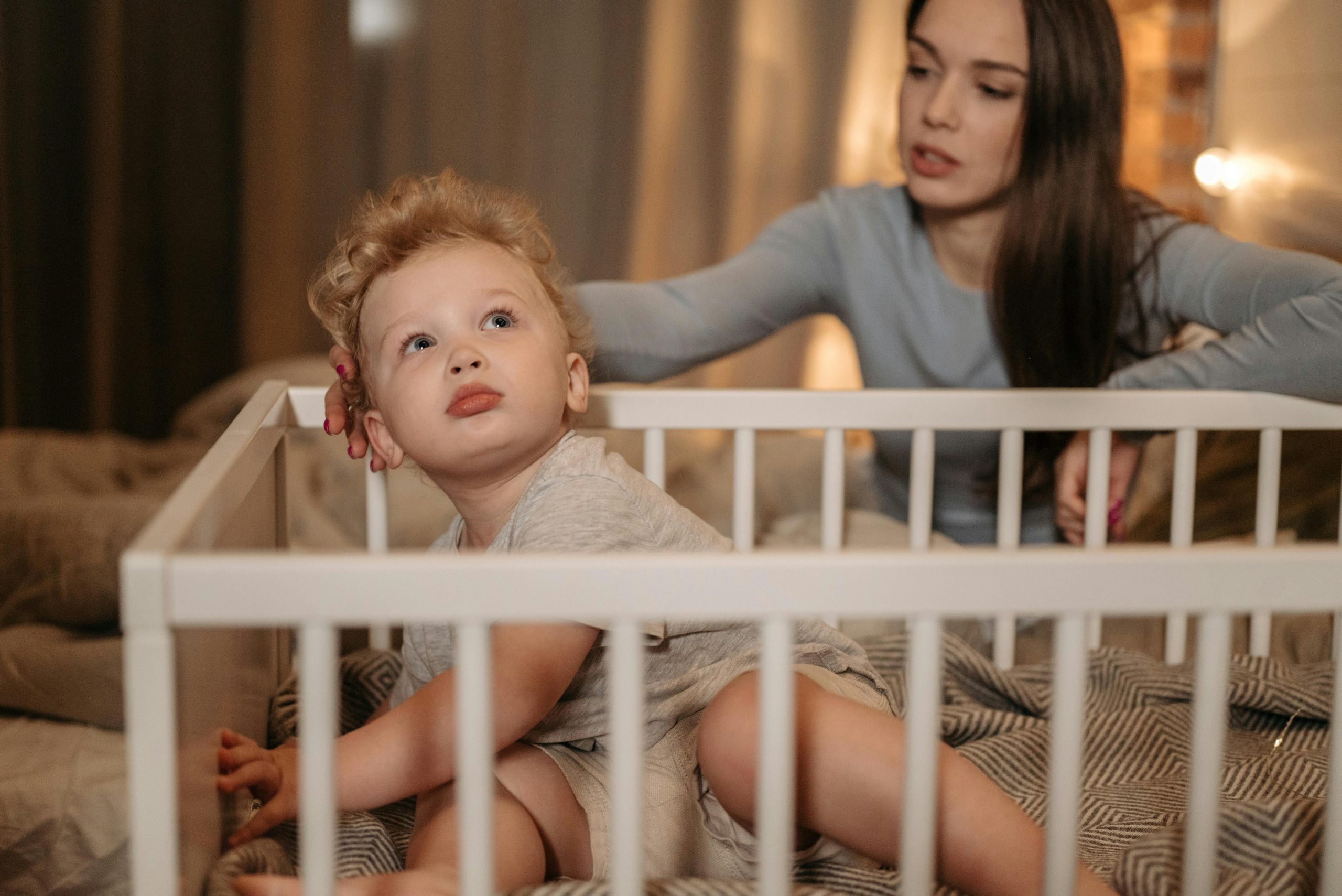
Noah had entered the world kicking like any healthy newborn, but spinal muscular atrophy had quickly stolen the movement from his legs. What began as barely noticeable weakness ended with limp limbs and a heartbreaking prognosis.
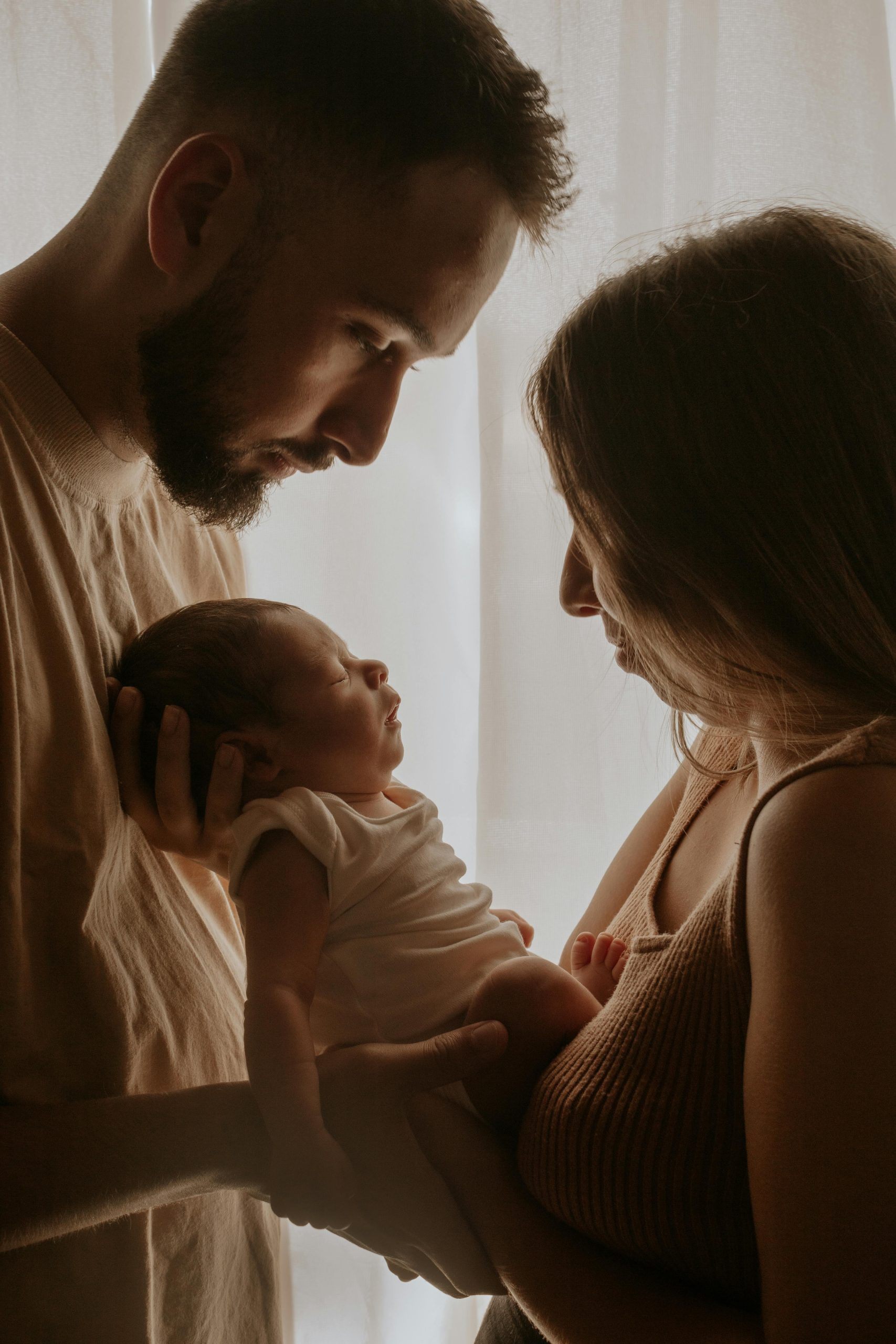
Michael, her husband, found her still awake at dawn. “You have to rest,” he whispered, placing a gentle hand on her shoulder. Sarah shook her head. “I’m afraid he’ll try to move and I won’t be here to see it.”
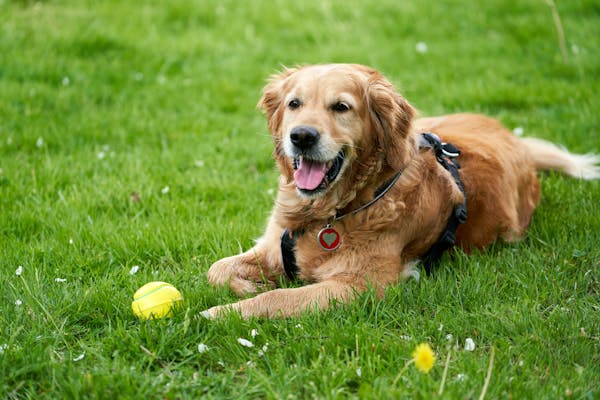
A sudden bark broke the silence. Max—the scrawny golden retriever Sarah had brought home that afternoon—was exploring the living room, tail wagging like he owned the place.

Like Noah, Max Was the Underdog Who Refused to Give Up
Shelter staff had warned her: Max was the runt of the litter, frail and unlikely to survive. Yet he had clawed his way back to health—just enough for Sarah to feel he and Noah were kindred spirits.
“Should we let him into the nursery?” Sarah asked. Michael hesitated, then opened the door. Max padded straight to the crib, poked his nose between the bars, and sighed as if he’d found a long-lost pack mate.
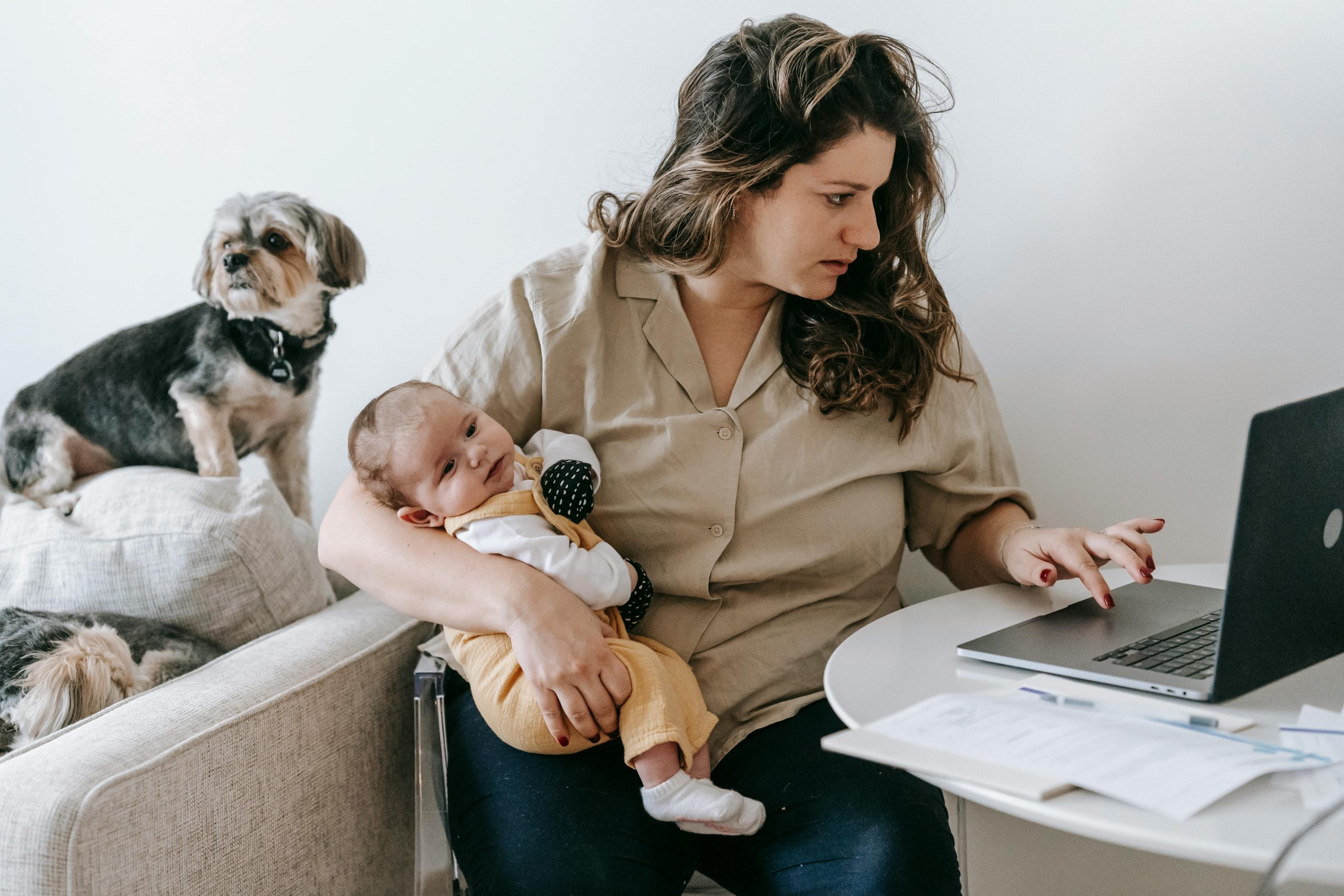
Max settled beside the crib, pressing his warm muzzle against Noah’s legs. Moments later, Noah’s arm twitched—just once, almost imperceptibly, but enough to steal Sarah’s breath away.
Then it happened again. Whenever Max wriggled or shifted, Noah tried to copy him. The dog would stretch; Noah’s tiny fingers flexed. The dog would nudge; Noah’s toes quivered. It was as though Max were inviting him to dance.
The next morning, they rushed to Dr. Hammond, Noah’s neurologist. He listened, then dismissed their story as “random spasms” and warned them not to cling to false hope.
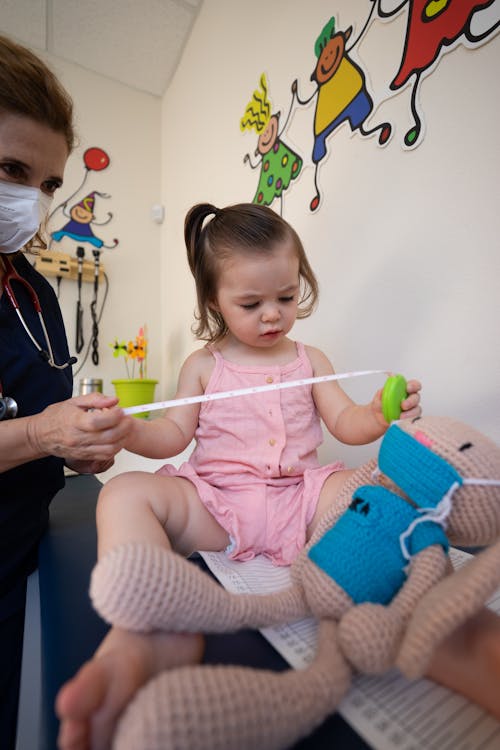
Refusing to accept “impossible,” Sarah spent sleepless nights emailing specialists. One replied: Dr. Evelyn Carter, a researcher studying animal-assisted therapy for neuromuscular disorders. She agreed to observe Max and Noah together.
Dr. Carter watched quietly as Max nudged specific points along Noah’s spine. Each gentle push sparked a flicker of movement in the boy’s legs. Her eyes widened. “These aren’t reflex twitches,” she whispered. “They’re responses.”
“Those Twitches Are Signals—Not Spasms,” Dr. Carter Declared
She recommended a battery of new tests, convinced Max sensed dormant nerve pathways doctors had missed. Dr. Hammond scoffed at the idea, but Sarah and Michael felt hope surge for the first time in months.
Whatever science ultimately proves, one truth is already clear in their home: a once-fragile puppy has become Noah’s unlikely coach, nudging him toward possibilities no specialist dared promise. And in that gentle nudge, an entire family found its reason to believe again.